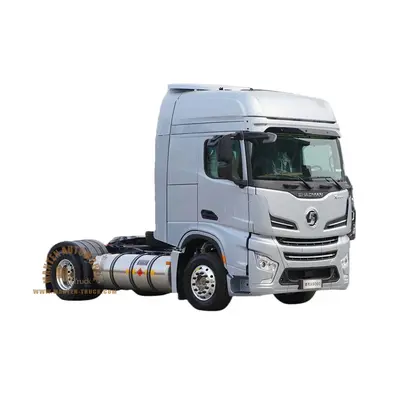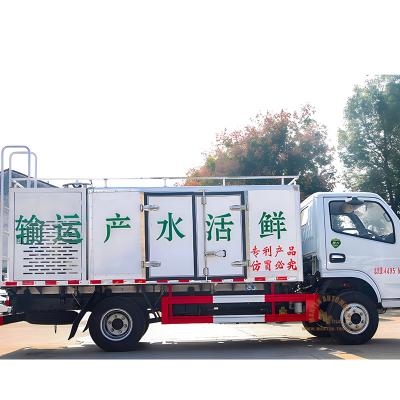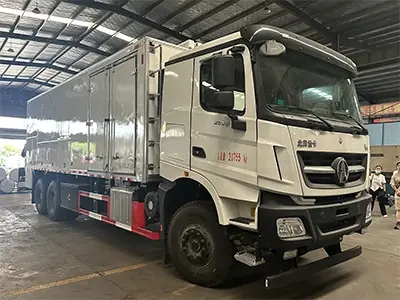
Transporting live fish from fish farms to wholesalers or retailers is a crucial aspect of the seafood industry. It requires specialized equipment to maintain optimal water quality, temperature, and oxygen levels while ensuring the welfare of the fish during transit. Wholesale live fish transport trucks play a vital role in this process, providing a controlled environment to safeguard the health and quality of the fish. In this blog, we will explore the five dimensions of wholesale live fish transport trucks, focusing on efficiency, sustainability, fish welfare, technological advancements, and industry regulations.
Efficiency is paramount when it comes to transporting live fish. Live fish transport truck is designed to maximize efficiency in various ways:
Advanced Water Circulation Systems: These trucks are equipped with state-of-the-art water circulation systems that ensure constant water flow, preventing stagnation and maintaining water quality throughout the journey.
Customized Compartmentation: The truck's interior is divided into separate compartments to accommodate different fish species, sizes, and water temperature requirements. This compartmentation minimizes stress and allows for precise control over the fish's environment.
GPS Tracking and Routing: Modern trucks are integrated with GPS technology, enabling efficient route planning and real-time tracking. This ensures timely delivery and minimizes travel time, reducing stress on the fish and preserving their quality.
Sustainability is a key consideration in the seafood industry. Live fish transport vehicle contribute to sustainability in several ways:
Energy Efficiency: Many transport trucks now utilize energy-efficient systems, such as LED lighting and optimized refrigeration units, which reduce energy consumption and lower carbon emissions.
Water Conservation: Advanced water filtration and recirculation systems minimize water waste during transportation. These systems capture and treat water, reducing the need for fresh water inputs and ensuring minimal environmental impact.
Alternative Fuel Sources: Some wholesale live fish transport trucks have begun transitioning to alternative fuel sources, such as biofuels or electric power. This shift reduces dependence on fossil fuels, resulting in reduced greenhouse gas emissions and a more sustainable transport process.
The welfare of the transported fish is of utmost importance to maintain their health, quality, and market value. Fish transport truck prioritize fish welfare through the following measures:
Water Quality Monitoring: Trucks are equipped with sensors and monitoring systems that continuously assess water quality parameters such as temperature, pH, and oxygen levels. This ensures optimal conditions for the fish throughout the journey.
Cushioned Transport Tanks: Specialized transport tanks are designed with rounded corners and cushioned interiors to minimize physical impact during transit. These tanks prevent injury to the fish, reducing stress and ensuring their well-being.
Reduced Density and Adequate Space: Overcrowding can lead to stress and disease among fish. Transport trucks are designed to provide adequate space and reduce stocking densities, allowing fish to move freely and minimizing competition for resources.
Advancements in technology have revolutionized the fish carrier truck industry. Some notable technological innovations include:
Remote Monitoring Systems: Real-time monitoring systems allow transport operators to remotely monitor and adjust water quality parameters, ensuring the optimal conditions for the fish.
Automated Feeding Systems: Transport trucks now feature automated feeding systems that provide the necessary nutrition for the fish during transit. These systems reduce the need for manual feeding and promote a consistent feeding schedule.
Data Analytics and Machine Learning: Advanced analytics and machine learning algorithms analyze vast amounts of data collected during transportation. This helps identify patterns, optimize transport conditions, and predict potential issues, leading to improved transport practices and enhanced fish welfare.
To ensure the safe and humane transport of live fish, industry regulations and standards are in place. These regulations cover various aspects, including:
Licensing and Certification: Transport operators are required to obtain appropriate licenses and certifications to demonstrate their compliance with industry standards. This ensures that only qualified and responsible individuals or companies are involved in live fish transportation.
Biosecurity Measures: To prevent the spread of diseases and parasites, transport trucks must adhere to strict biosecurity protocols. These measures include disinfection procedures, quarantine protocols, and regular health inspections to minimize the risk of contamination during transit.
Animal Welfare Guidelines: Many jurisdictions have specific animal welfare guidelines that apply to live fish transportation. These guidelines dictate minimum standards for water quality, stocking densities, handling procedures, and transport duration to safeguard the well-being of the fish.
Wholesale live fish transport trucks play a vital role in the seafood industry, ensuring the efficient and sustainable transportation of live fish from farms to wholesalers or retailers. Through their efficiency, sustainability measures, focus on fish welfare, technological advancements, and adherence to industry regulations, these trucks have greatly improved the transportation process. By implementing innovative practices and continuously striving for better standards, the industry can enhance the well-being of the transported fish, maintain their quality, and contribute to the overall sustainability of the seafood supply chain. With ongoing advancements and a commitment to best practices, wholesale live fish transport trucks are poised to drive positive change and elevate the industry to new heights.
Contact for Fish Transport Truck For Sale
Workshop Lorries Transforming Maintenance in Remote LocationsJuly 12, 2024In the realm of maintenance services, the challenges of reaching remote locations are not uncommon. However, the game-changing innovation of Workshop Lorries has transformed the landscape, providing m...view
Unleash Power and Performance with Manten Prime MoversJune 12, 2023IntroductionWelcome to Manten Prime Movers, where power, reliability, and efficiency converge to transform the logistics industry. As a leading provider of prime movers, Manten offers a wide range of ...view
Revolutionizing the Seafood Industry: The Evolution of Fish Carrier TrucksJune 9, 2023IntroductionThe seafood industry has undergone significant transformations throughout history, revolutionizing the way fish and other seafood products are transported and delivered to consumers worldw...view
Fighting Flames with Precision: the Technology behind Dry Powder Fire TrucksNovember 13, 2023Firefighting has come a long way from the traditional image of firefighters wielding hoses and battling flames with water. While water-based firefighting methods are still widely used, dry powder fire...view
Maintenance and Servicing Tips for High Altitude Operation TrucksJuly 12, 2024When it comes to maintaining and servicing high altitude operation trucks, there are a few key tips to keep in mind in order to ensure the vehicle is operating at its optimal level. These trucks are d...view
Rising Demand for Maintenance Trucks in African Mining Sites Marks a New Trend in the Special Vehicle IndustryJuly 25, 2024Rising Demand for Maintenance Trucks in African Mining SitesThe African mining industry has experienced a significant rise in the demand for maintenance trucks in recent years. This surge in demand ha...view